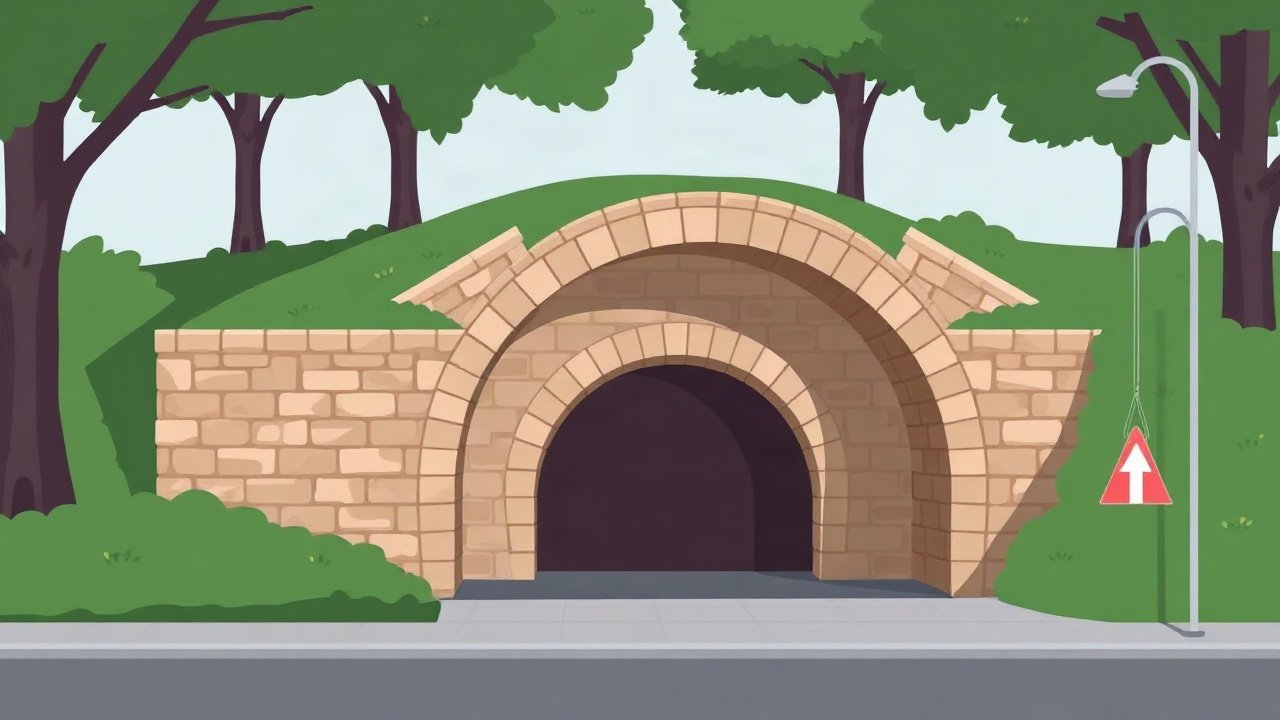
In Gazimağusa, the launch of a documentary focusing on one of the significant historical structures, the Baykal Tunnel, took place. The event, titled “Mağusa Baykal Tunnel,” was organized by the Gazimağusa Municipality and attracted a large number of attendees. Key figures at the event included President Tufan Erhürman, Deputy Prime Minister Fikri Ataoğlu, CTP President Sıla Usar İncirli, along with members of parliament, academicians, and witnesses from that era.
Details regarding the construction of the Baykal Tunnel, its role in 1974, and the importance of preserving the city’s memory were shared with attendees by the project team and witnesses. Gazimağusa Mayor Dr. Süleyman Uluçay emphasized the need to convey the past not as a source of hatred, but as a means to understand the challenges and struggles that were faced.
Uluçay noted that the history of the Turkish Cypriot people’s struggle is not sufficiently known by younger generations, highlighting the importance of embracing the past. He also underscored that the Baykal Tunnel is a crucial part of this memory. It was stated that the tunnel was constructed in secrecy to ensure the safety of the region, which had been transformed into the Turkish zone following the events of 1964.
Speaking about the production process of the documentary, Prof. Dr. Tülay Saner mentioned that she learned about her father, Architect Osman Saner’s, role in the tunnel’s construction in detail years later. Initially planned as a book project, this endeavor evolved into a documentary format after discussions with Prof. Dr. Aytekin İşman.
Prepared over approximately three months, the documentary involved interviews with individuals who excavated and utilized the tunnel. Saner announced that following the documentary’s release, new witnesses had come forward, suggesting plans to prepare a second part of the documentary.
It was learned that the Baykal Tunnel began excavation in late 1966 and was used not only for human passage during the 1974 process but also for transporting arms and ammunition. Prof. Dr. Aytekin İşman, the producer and director of the documentary, emphasized that the tunnel should not be viewed merely as a physical structure but also as a vessel of the era’s fears and hopes.
Additionally, Architect Osman Saner, who was involved in planning the tunnel, mentioned that the work was conducted in secrecy. As the only architect in the Mağusa region at that time, he indicated that the idea of constructing a tunnel arose as a solution to evacuate the people of the Baykal area behind walls in the event of an attack.
Saner stated that the preliminary measurement processes of the tunnel were conducted using compass and map drawings, and encountered groundwater during the planning phase led to a change in the tunnel’s direction. At the end of the event, thanks were given for the academic support provided to the project by Sakarya University and Arkın University of Creative Arts and Design.
Source: www.diyaloggazetesi.com