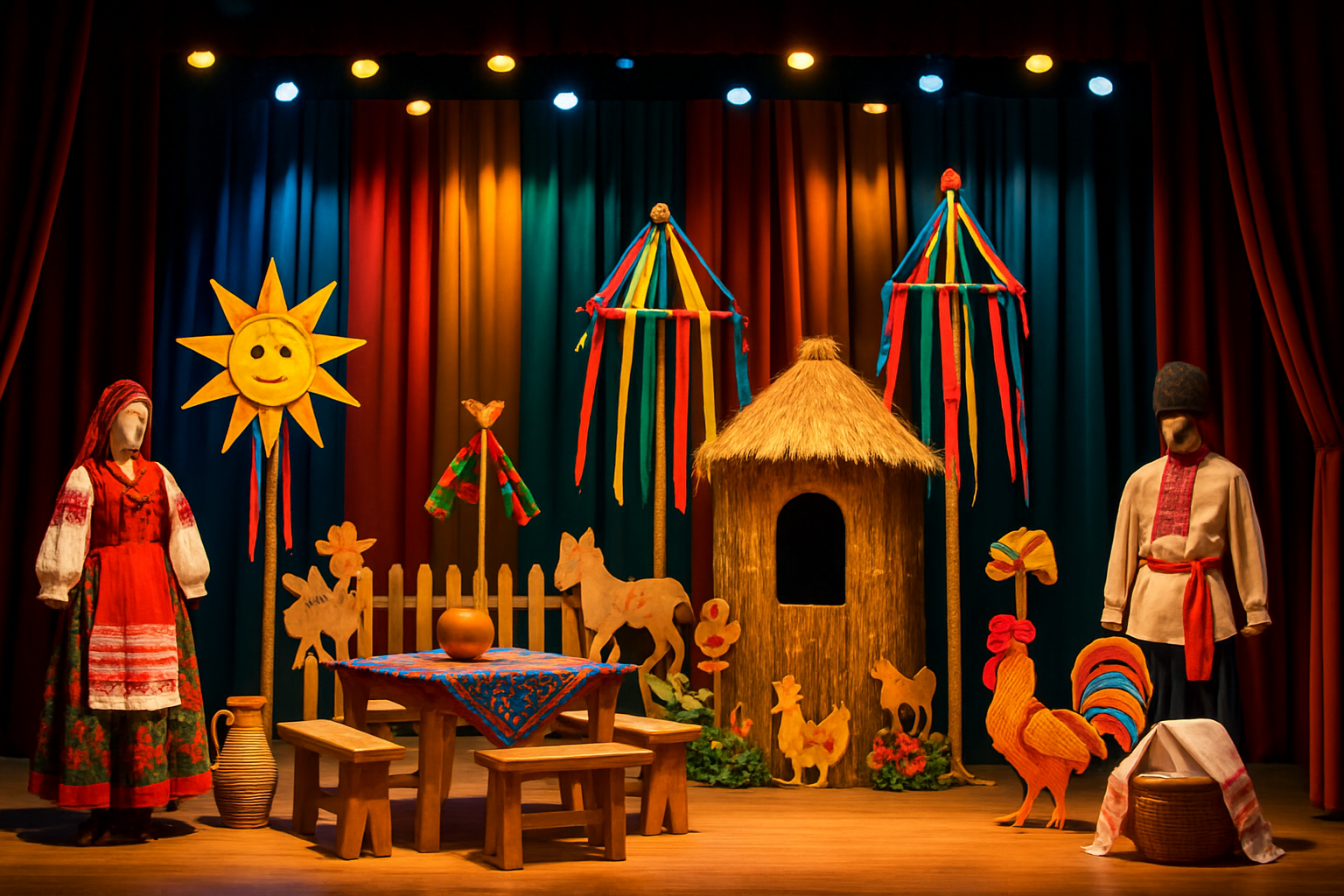
Folk Theater emerges as an important tool for social change and for giving a voice to the people. However, it is essential first to understand the concept of “the people.” Historically, this term has gained different meanings; it has evolved from ancient societies to the present day. In primitive societies, “the people” referred to the population, while in feudal societies, it referred to classes outside of the rulers. In today’s capitalist order, it has taken on a broader definition that includes the working class, laborers, and small tradespeople.
What is True Populism?
True populism requires the development and implementation of social policies aimed at protecting and advancing the interests of the people. Karl Marx pointed out that it is the people who create history, highlighting the role of the productive sectors of society in social change. However, for populism to go beyond mere rhetoric, it must transform into concrete actions against corrupt systems. Many organizations today claim to benefit the public while actually engaging in populist approaches, which is a deceptive form of populism.
The Role of Humor and the Function of Folk Theater
Dario Fo states that the distinctive feature of folk culture, which sets it apart from the dominant culture, is its smiling attitude, emphasizing that folk theater carries a message beyond just laughter. Humor serves as a tool for critiquing social issues and provoking thought. For instance, Aziz Nesin has pointed out that the purpose of humor is not merely to make people laugh but to stimulate thought. However, it can be observed that certain groups that support contemporary folk theater have superficialized their understanding of humor. The prevalence of crude jokes and poor language is damaging the fundamental principles of folk theater.
In summary, while folk theater symbolizes dissent, to maintain the function of this art form, it is crucial to adopt an approach that boldly addresses social realities. It is necessary to create works that reach a broad audience, rather than just appealing to an elite group. This way, theater can resonate with the thoughts and feelings of the people, fostering social awareness and development. Otherwise, the role of theater in the process of social change will be called into question.
Source: www.yeniduzen.com