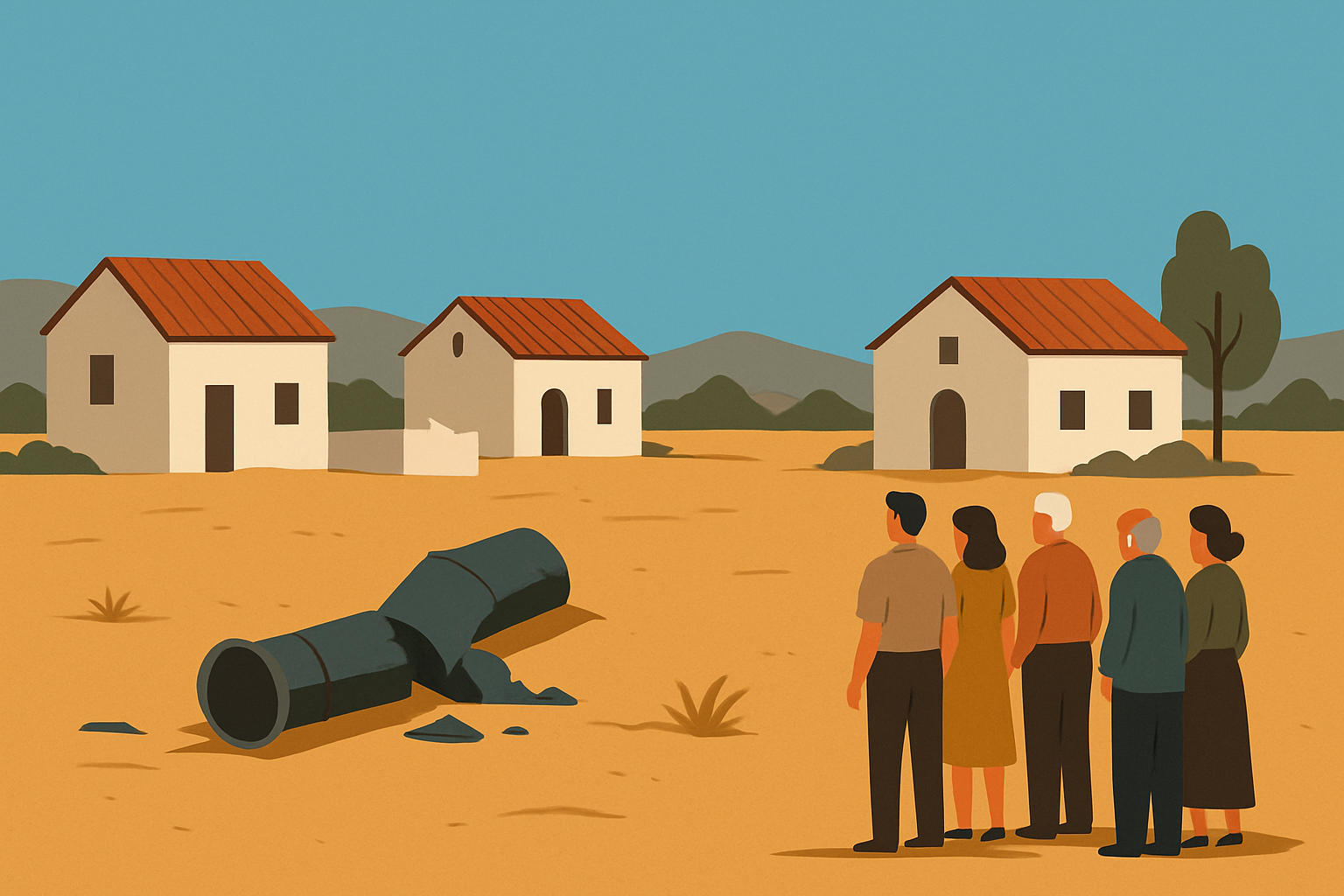
A serious water supply issue is affecting the Turkish Republic of Northern Cyprus (TRNC). A sudden damage to the Arapköy Reservoir Transmission Line poses a potential risk to many residential areas and tourist facilities in the region.
Background and Causes of the Incident
The source of the problem emerged from an accident that occurred during the construction of the Girne-Değirmenlik Mountain Road under the TRNC Road Master Plan. An uncontrolled excavation conducted by the contractor damaged a critical pipe and fiber communication line in the Arapköy Reservoir Transmission Line. This situation immediately jeopardizes the water supply system in the area.
Affected Areas and Facilities
Residential areas directly affected by this damage include Arapköy, Beşparmak, and Çatalköy. Additionally, popular tourist facilities such as Cratos, Acapulco, and Elexus significantly relied on this line for their water needs. Furthermore, the cooling water requirement for the Teknecik Power Plant was also supplied through this line, which poses a risk to the plant’s operations.
During this disruption (approximately 7 days), any water transmission through the line will not be possible. This is particularly problematic in a region where high temperatures are expected during the summer months, and it could adversely affect the daily lives of the local population.
Explanations indicate that urgent measures are being taken to repair the damage; it is aimed to procure necessary materials and complete the repairs within 7 days. However, during this period, the water supply in the area will be completely interrupted.
Local authorities and municipalities are initiating information campaigns to keep citizens updated on developments and are urging conscious and economical water use. This situation may negatively impact customer satisfaction, particularly in tourist facilities, and slow down economic activity in the region.
Following the incident, relevant institutions plan to increase safety measures to prevent similar accidents and stricter monitoring to prevent uncontrolled excavation activities. There is also a focus on evaluating alternative water sources and being prepared for emergencies.
Such incidents vividly illustrate how vulnerable the TRNC’s infrastructure is and highlight the importance of making it more resilient to potential risks. The protection and reliability of water resources must become one of the essential components of the region’s future development goals.
The need to turn to alternative water sources in the affected residential areas and facilities will increase. While this may lead to some challenges in the local economy in the short term, it will contribute to the development of more sustainable solutions in the long term.
The uncontrolled excavation by the contractor has led to criticisms, and whether the safety measures were sufficient may be a topic of debate. To prevent similar situations in the future, a more comprehensive risk assessment and monitoring system need to be established.
In the statement requesting that citizens use water consciously and economically until the line is restored…
During this disruption period, efforts to turn to alternative sources to meet the region’s water needs will gain momentum. While this may affect the quality of life of local residents, it will also serve as a reminder of the need for more careful and controlled work in infrastructure projects.
Source: www.yeniduzen.com