In December 2024, groups led by Ahmad Shara seized control of Damascus, ending the 61-year reign of the Ba’ath Party, marking a significant transformation in Syria. Shara is the leader of Hay’at Tahrir al-Sham (HTS), a group based on Salafi-jihadist ideology. His scheduled official visit to Turkey within two months of this event is a noteworthy development.
Turkey’s Military Presence and Influence in Syria
Turkey’s military presence in Syria is markedly evident, with a total of 114 military bases, 10,500 troops, and 250 tanks, as well as 19 observation points, as of 2025. By supporting the Syrian National Army (SNA), Turkey has played a significant role in the course of the war. The SNA was formed in 2012 from a coalition of over 30 groups under Turkey’s leadership and currently operates with approximately 80,000 soldiers.
Turkey’s military support is influential in shaping Syria’s new governance system. According to a 2025 agreement, Turkey will continue to provide weapon systems, logistical vehicles, training, and advisory services to Syrian soldiers.
Economic Collaborations and Construction Projects
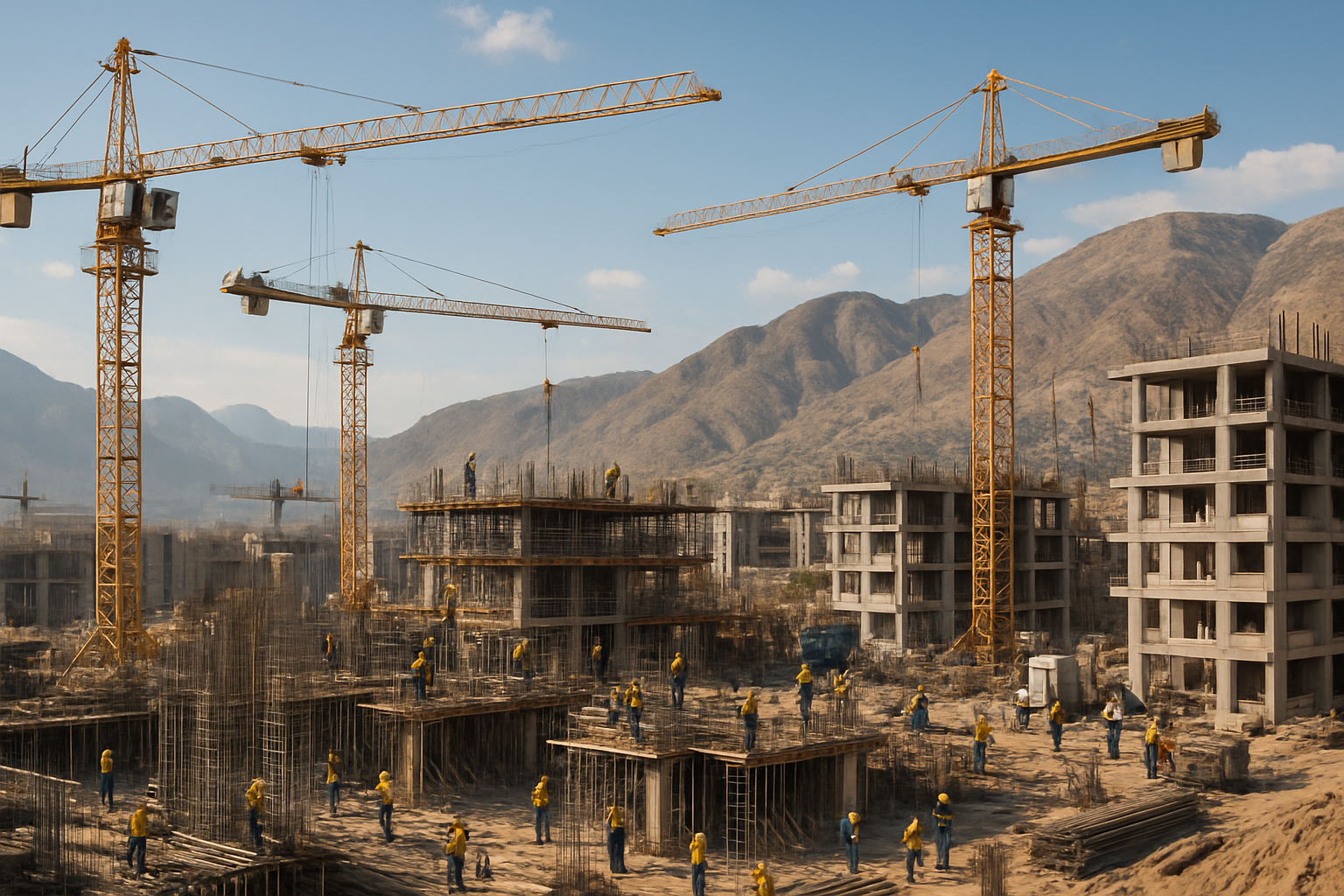
Turkey continues to strengthen its commercial relationships in Syria. In 2025, Turkey’s exports saw a 70% increase. Turkish companies are attempting to re-enter the Syrian market through a $4 billion project aimed at improving Damascus International Airport. Many construction firms operating in Turkey aim to return to the pre-civil war period.
Turkey’s collaborations with Syria in the energy sector are also noteworthy. The Turkish Energy Minister announced preparations to deliver natural gas from Azerbaijan to Syria. Additionally, plans have been made to increase electricity exports and invest in Syria. Turkey is planning to build power plants in Syria by forming consortia with international firms including Kalyon and Cengiz Construction.
All these developments provide Turkey with increased strategic influence over Syria and strengthen economic ties. Turkey’s initiatives for Syria’s reconstruction have the potential to alter the geopolitical balances in the region.
Source: www.yeniduzen.com