Love for Famagusta
Okan Dağlı does not shy away from expressing his deep love and attachment to the city of Famagusta. Having lived there for many years, he embraced this city in all its details. Even though he went to Istanbul for his medical education, he always saw himself as part of Famagusta. Therefore, he regarded studying the historical and cultural structure of Famagusta in depth as his duty.
Famagusta is not only where he was born but also where he grew up and spent a significant part of his life. The historical artifacts and memories in this city are extremely important to Dağlı. Clearly, this history and culture have deeply influenced him and motivated him to share these values with a broader audience.
‘The 23-Century City of Famagusta’ Book
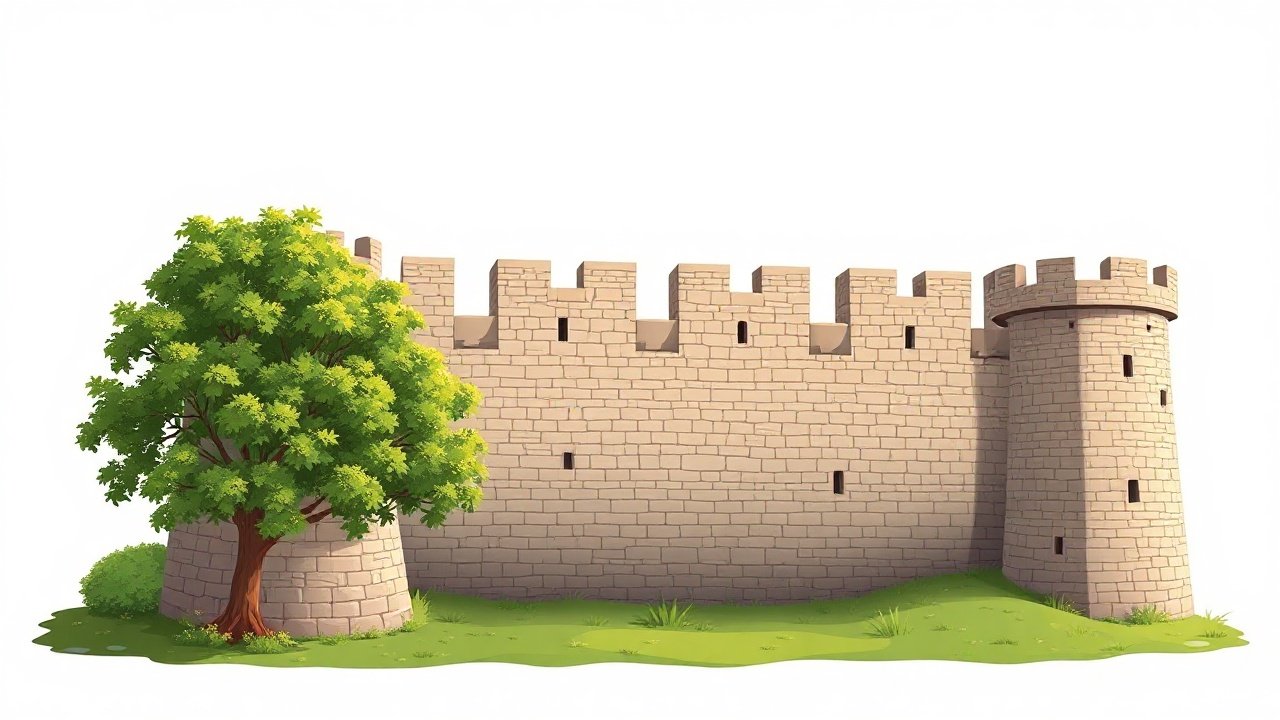
Okan Dağlı structured his new book under seven main headings. Each chapter focuses on different aspects of Famagusta’s past and cultural fabric. The first chapter examines the importance of Famagusta Castle and delves into its structures, while the other chapters focus on the city’s religious beliefs, narratives that introduce the work, and key historical moments.
Particularly, Maraş is one of the striking sections of the book. The phases of closure and reopening have determined the fate of the city. Dağlı elaborates on this topic, addressing the city’s social and cultural structure. He also shares the current status of the maintenance and restoration process of the artifacts with the reader.
This structure, created from the author’s observations and data gathered from them, serves as a guide to Famagusta’s history. In this context, the details and observations he presents to the reader are of great importance for the preservation of the city’s monumental artifacts.
Simultaneously, Dağlı emphasizes the importance of the preservation and maintenance of Famagusta, as it was in the past and is at present. Especially in recent years, information about local governments’ responsibilities and situations regarding these structures guides the progress of the book.
The support provided by the European Union and UNDP for restoration works is also among the important pieces of information included in the book. While Dağlı highlights the significance of such international aid, he draws attention to the works carried out by local administrations. He seems to have learned a deep lesson from the negative experiences of the past.
Conclusion and an Emotional Message
The final section concludes with a reminder of the tragic events in the city. The losses experienced after the earthquake in Adıyaman are among the events that have strikingly impacted the social fabric of Famagusta. This section adds depth to the book and allows the reader to establish an emotional connection.
This work, penned by Okan Dağlı, reveals the multi-layered history and cultural heritage of Famagusta while carrying the soul of the city to the reader. In this context, ‘The 23-Century City of Famagusta’ is not merely a history book but also offers an emotional journey.
Source: www.yeniduzen.com