The Historical Background of Zirva
Zirva is a dish with deep historical roots, yet it remains largely unknown today. Throughout history, it has appeared in various forms across different regions. Known by names such as Zîrbâc, Zirvaç, and Zîrbâc, this dish has carved out a place in culinary history through changing eras and cultures. Thus, we see that traditional dishes exhibit an evolving nature rather than fixed recipes.
The origins of Zirva trace back to the Arab and Persian cuisines of the Middle Ages. It is depicted as a meat-based dish in a culinary book from the 13th century. Over time, different ingredients have begun to be used in this dish, indicating that the recipe for Zirva has not remained the same but has changed due to social and geographical interactions.
Zirva’s Place in the Ottoman Period
In the Ottoman period, the presence of Zirva in charitable kitchens is noteworthy. It was served to the public on special occasions at the charitable kitchens in Fatih and Süleymaniye in Istanbul, as well as at the II. Bayezid Imaret in Edirne. This dish is closely associated with special occasions such as Ramadan and holidays, bringing it significance not only on elite tables but also in communal dining culture. In this context, Zirva represents an important element of social life in the Ottoman Empire.
One interesting aspect of Zirva is the unusual combinations of ingredients it contains. While today’s culinary understanding clearly differentiates between sweet and savory, this distinction has often been blurred in past cuisines. For example, fruits are used in meat dishes, and spices define the character of the meals.
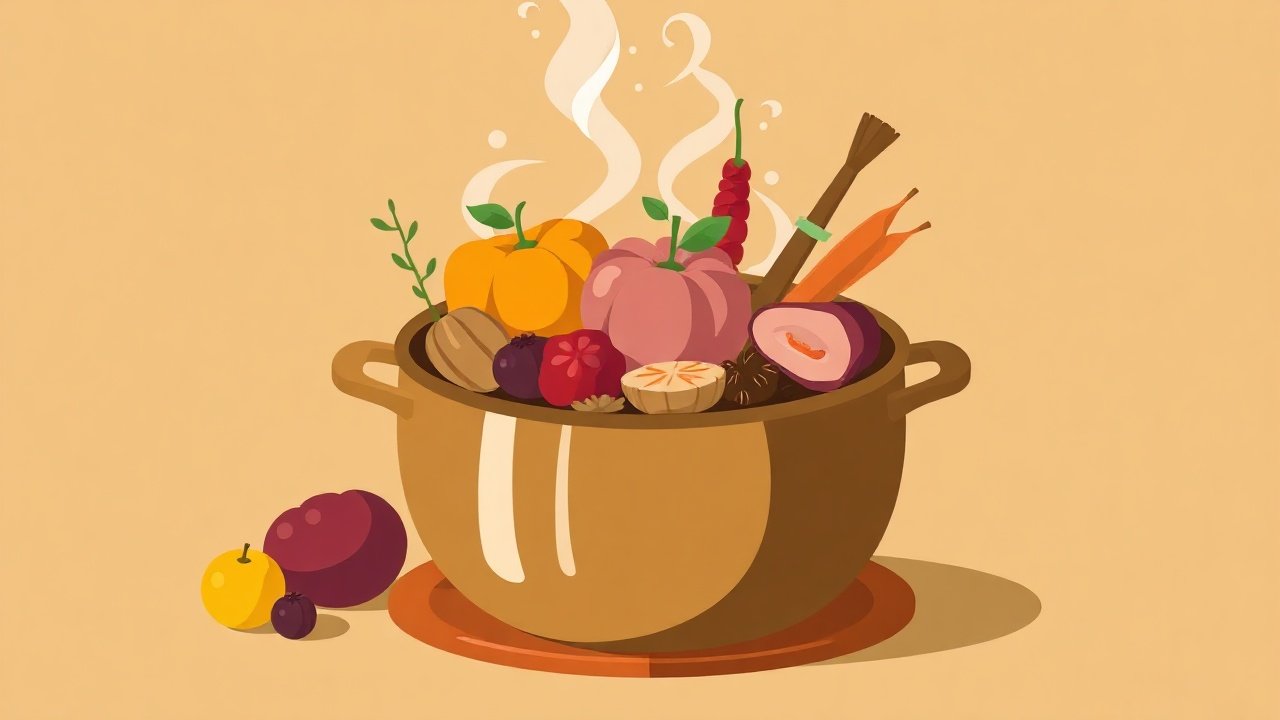
Old recipes show that ingredients such as lamb or chicken were accompanied by chickpeas, sugar, vinegar, honey, and various spices. Over time, recipes have been enriched with new ingredients like dried fruits and starch. This unique combination of ingredients highlights just how different our culinary legacy is from modern tastes.
Modern Zirva Practices
Today, Zirva continues to thrive in Edirne cuisine as an example of how historic recipes have been carried into the present. In the Edirne-style recipe, lamb or chicken meat is combined with dried fruits and spices. This recipe serves as a tribute to past culinary culture while also offering a reinterpretation suitable for contemporary palates. The assembly of ingredients is particularly crucial when preparing Zirva.
The ingredients for the dish include sweet components such as almonds, dried raisins, and dates, as well as spices like saffron. This combination creates a flavor and texture that is quite different from the meat dishes we are accustomed to today. For many generations, preserving and sustaining this recipe has been vital for the continuity of traditional culinary culture.
The changes Zirva has undergone throughout history are also noteworthy. It illustrates that a dish we consider traditional is not prepared in the same way continuously but evolves over time with the palate and available ingredients. In this sense, Zirva proves that traditional cuisine is dynamic.
Simply having written recipes is not enough for a dish to live on historically. These recipes need to be rediscovered and shared at the dinner table for future generations. Thus, preserving Zirva transcends just being about food; it embodies the safeguarding of a profound cultural heritage.
Source: www.yeniduzen.com